Loading...
Serving Miami Beach, FL and surrounding areas. (645) 300-7263
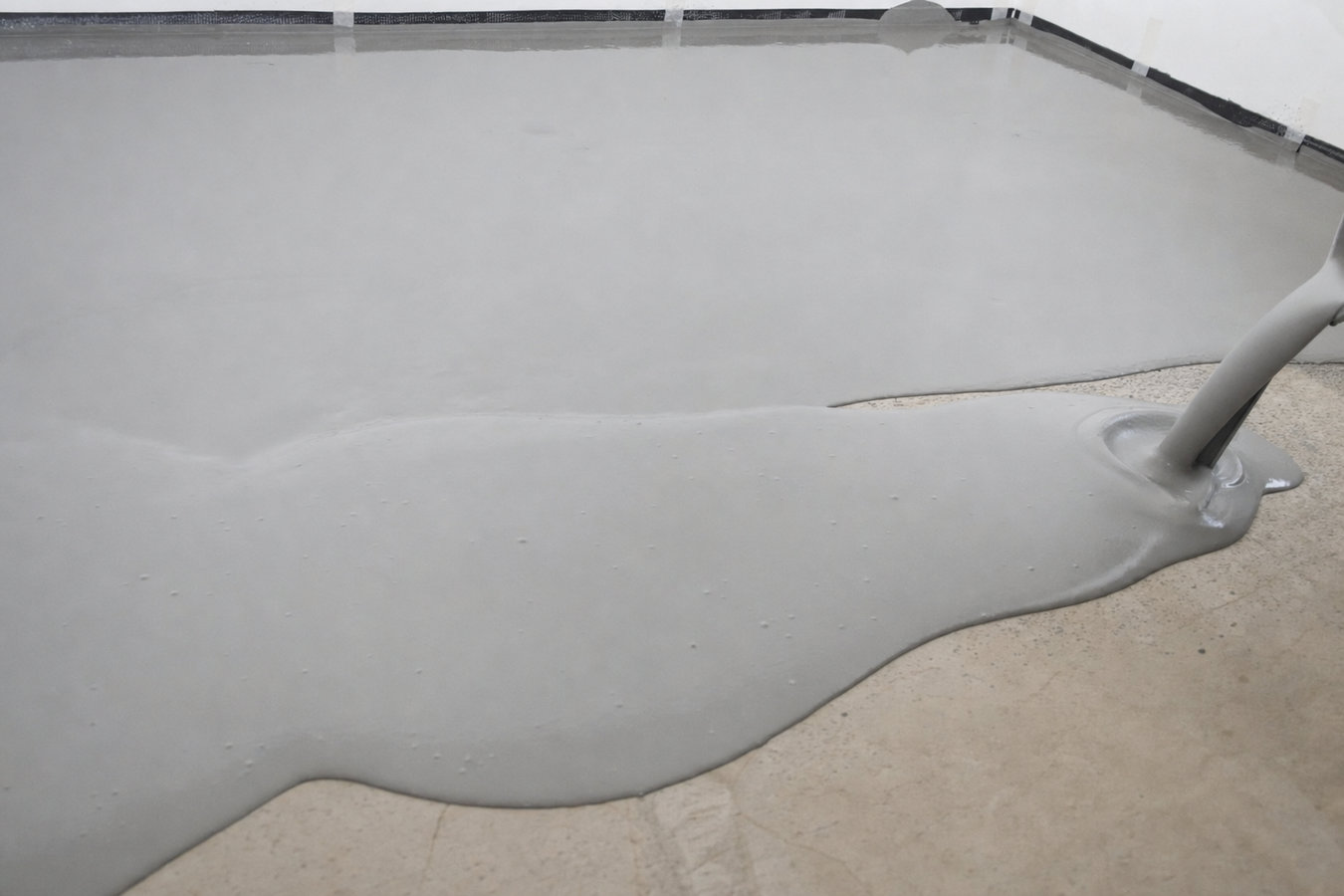
Uneven floors, dipping slabs, and worn-out concrete surfaces can be corrected without a full tear-out. Self-leveling concrete and overlays restore a flat, finished surface in a fraction of the time and cost of replacement.
Self-leveling concrete in Miami Beach is a pourable material that flows into a flat, smooth surface on its own - filling dips, correcting uneven slabs, and creating a solid base for tile, hardwood, or a finished decorative overlay. Most single-room projects take one to two days, and you can typically walk on the floor within 24 to 48 hours.
In Miami Beach, where much of the residential housing stock was built between the 1930s and 1970s, concrete slabs have had decades to settle unevenly on sandy, low-lying ground. If furniture rocks slightly, water pools in a corner, or you feel a subtle rise underfoot, your slab is no longer level. That is exactly what self-leveling concrete is designed to fix - without demolition, without weeks of disruption, and without the cost of a new pour. Overlays work the same way when the goal is a fresh decorative surface rather than structural correction. For larger outdoor surfaces that also need a protective coating, our Concrete Resurfacing and Overlays service handles that scope and can be combined with leveling work if your project needs both steps.
The American Concrete Institute and the Concrete Network both note that proper moisture testing and surface preparation are the most important factors in overlay success - something that carries extra weight in South Florida's high-humidity, near-sea-level environment.
If furniture rocks, water pools in a corner, or you can feel a subtle rise or drop underfoot, your floor is uneven. In older Miami Beach buildings, decades of settling on sandy, low-lying ground can gradually pull a slab out of level without any single dramatic event. Self-leveling concrete corrects that without a full replacement.
When the floor underneath is not flat, the material on top has nowhere solid to rest. Tile grout cracks, individual tiles pop up, and hardwood planks develop gaps or squeaks. If you have replaced the same tiles more than once and they keep failing, the problem is the subfloor - not the tile itself.
That white powder - sometimes called efflorescence - is a sign that moisture is moving up through your slab and carrying mineral deposits with it. In Miami Beach, where the water table sits close to the surface, this is extremely common. The slab needs proper moisture treatment before any new flooring goes down, or the problem will come back.
If you are updating a condo, townhome, or single-family home and the existing slab is structurally sound but looks worn or dated, an overlay is a practical and cost-effective option. Many Miami Beach homeowners choose polished or stained overlays for their clean look - and because they hold up well in the warm, humid climate without warping the way wood can.
Every project starts with a thorough on-site assessment - checking how uneven the floor is, testing for moisture coming up through the slab, and identifying any old adhesive, coatings, or damage that needs to be addressed before we pour anything. In Miami Beach, moisture testing is not optional. Because the city sits at or near sea level, moisture naturally migrates upward through concrete slabs year-round, and skipping this step is the number-one cause of overlay failures in coastal climates. Our Pool Deck Coatings and Resurfacing service handles exterior pool areas that also need a slip-resistant finish layered on top, and we can coordinate both scopes so the work happens in the right sequence.
Once the surface is prepared and primed, we pour or apply the material - it flows and settles on its own, guided into corners and edges by the crew. A sealer or finish coat goes on after curing, and we do a final walkthrough with you before we leave so any concerns are addressed on the spot. We also work within condo building rules on noise, elevator access, and work hours - if your building has restrictions, let us know when you call and we will plan around them.
For floors with dips, high spots, or uneven sections that need to be brought to a consistent level before new flooring goes down - common in older Miami Beach condos and homes.
A thin finish layer applied over a structurally sound slab to give it a clean, updated appearance - available in polished, stained, or troweled finishes.
A smooth, reflective finish suited to living areas, kitchens, and commercial spaces that want a modern look without a high-maintenance floor.
Adds color and character to a new overlay surface - popular in Miami Beach renovations where homeowners want a distinctive look that holds up in the heat and humidity.
Miami Beach sits on a barrier island with a water table that is very close to the surface in much of the city. Moisture rising through concrete slabs is not a sign that something is wrong with your home - it is simply the reality of building on low-lying coastal ground. A contractor who does not test for this before pouring is setting up a floor that will bubble, delaminate, or peel within a year or two. We test every slab before we apply anything, and we treat the moisture problem at the source rather than covering it up. Miami Beach also sits within Miami-Dade County, which operates under some of the strictest building code standards in the country - standards that were significantly strengthened after Hurricane Andrew in 1992. While most interior floor work does not require a permit, we know the local rules and will tell you upfront if your project is an exception.
Condo buildings throughout Miami Beach - and in neighboring areas like North Miami Beach and Aventura - often have rules about construction hours, elevator use, and board approval before any floor work begins. We are familiar with how those processes work and will coordinate with your building management so the project does not stall before it starts.
We ask about the size of the area, what is currently on the floor, and what you want the finished result to look like. If you are in a condo, have your building rules handy - we may need to know about work-hour restrictions or elevator access before scheduling. We reply within one business day.
We visit your home to check how uneven the floor is, test for moisture coming up through the slab, and look for old adhesive or coatings that need to come off first. After the visit, you get a written estimate with a clear breakdown of what is included - no guessing at the final number.
We grind or sand the existing floor to remove old coatings, clean it thoroughly, and apply a primer that helps the new material bond. In Miami Beach homes, this step includes treating the slab for moisture. Skipping it is the top cause of overlay failures in humid coastal climates, so we never do.
The material is poured and flows into a flat surface on its own. After it sets, we apply the sealer or finish coat. Stay off the floor for at least 24 hours. We walk the floor with you before we leave - point out anything that looks off and we will address it on the spot.
Free on-site estimate. Moisture tested before we pour. Written quote before any work begins.
(645) 300-7263In Miami Beach, moisture rising through the slab is one of the most common reasons a new floor fails within a year or two. We test every slab before we apply anything - not as an optional add-on, but as a standard step in every project. If there is a problem, we treat it at the source before we pour.
We have worked inside Miami Beach condo buildings long enough to know how the process works - what building managers need to see, how to schedule around noise restrictions, and how to move materials in and out without disrupting neighbors. We handle the coordination so you do not have to.
Any concrete contractor working legally in Florida must hold a current state license through the Florida Department of Business and Professional Regulation. You can verify our license status on the DBPR website, and we carry current liability insurance on every project. We will never ask you to skip that check.
Uneven slabs in older Miami Beach buildings sometimes reveal surprises once old flooring comes up - old adhesive, cracked sections, or moisture damage that was not visible before. We tell you what we found and what it will cost to address before doing anything extra. The number on your invoice will not shock you.
These are the specific things that separate a floor that holds up in Miami Beach's coastal conditions from one that fails within a year. Every project we take on gets the same standard - whether it is a single room in a condo or a full slab correction in a single-family home.
For outdoor pool areas that need a slip-resistant finish, color, and a coating system built to handle constant water exposure and intense South Florida UV.
Learn MoreWhen your driveway, patio, or outdoor slab needs a fresh surface rather than just leveling, resurfacing applies a new finish layer that restores appearance and adds coastal protection.
Learn MoreWe work around condo building rules and South Florida's schedule - reach out now and we will handle the details.