Loading...
Serving Miami Beach, FL and surrounding areas. (645) 300-7263
Miami Beach's high water table and year-round humidity demand coatings designed for these conditions. We test your slab first, then install a finish that actually holds up.
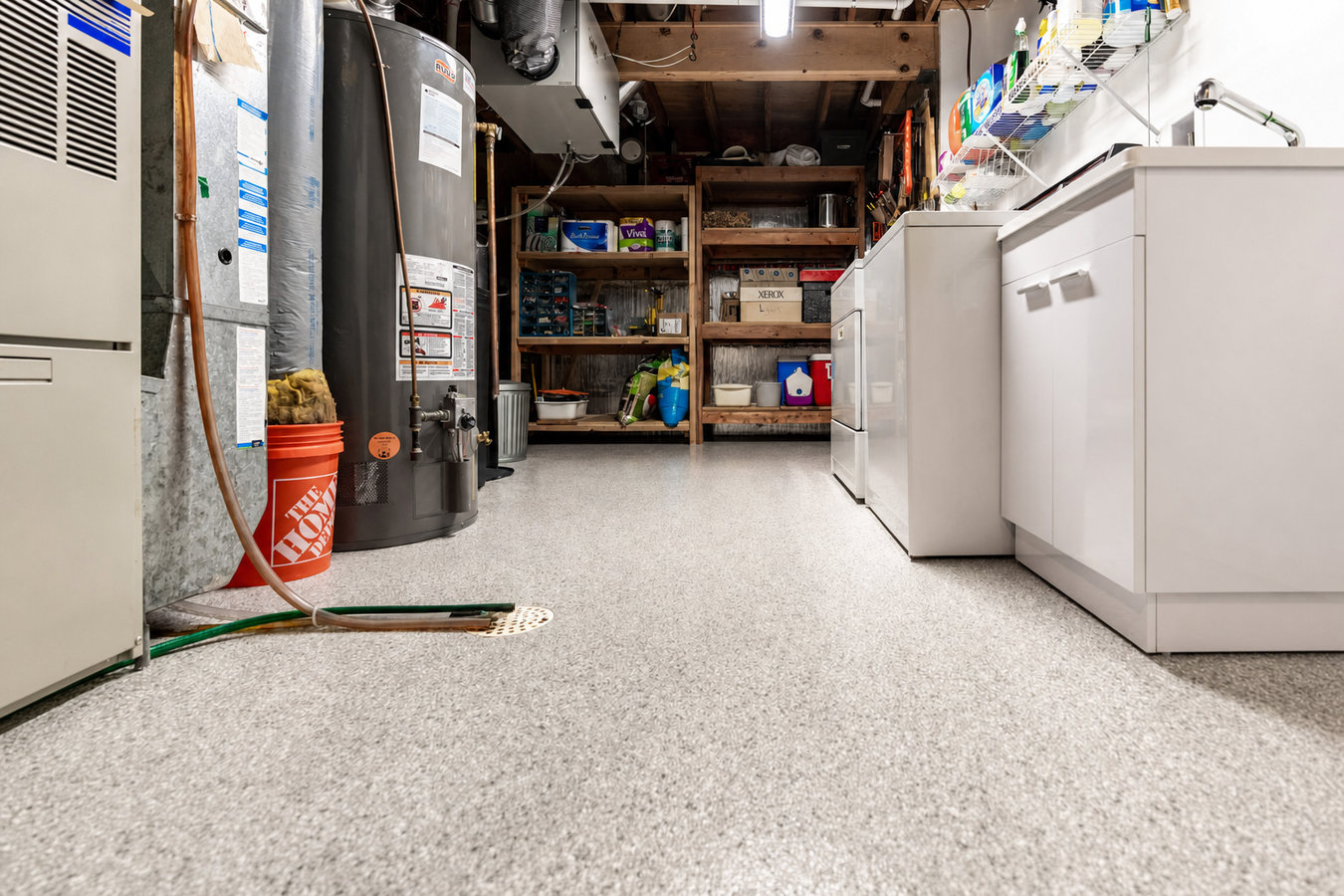
Basement flooring in Miami Beach means coatings and hard-surface finishes applied to concrete slabs in ground-level utility rooms, sunken garages, and below-grade storage spaces. Most jobs run two to five days from start to finish, with a curing period of 24 to 72 hours before light foot traffic. Miami Beach homes rarely have true basements, but these spaces still need durable, moisture-resistant flooring - and the choices matter more here than almost anywhere else in the country.
Miami Beach sits on a barrier island with a water table that can be just a few feet below the surface. After heavy rain, that table rises higher. Any product installed without first testing for moisture vapor emission is a gamble - and in this climate, it is a gamble that usually fails within a year. Before any coating goes down, proper concrete grinding and surface preparation removes old coatings, grinds the slab clean, and creates a surface the new coating can actually bond to.
A well-chosen and correctly installed floor does more than look better. It stops moisture vapor from getting through, eliminates the musty smell that plagues many Miami Beach ground-floor spaces, and turns a room you have been avoiding into somewhere you actually want to use.
That chalky film is called efflorescence, and it means water is moving up through the concrete and leaving mineral deposits as it evaporates. In Miami Beach, where the water table is high and humidity is constant, this is extremely common. Left untreated, the moisture causing that residue can damage anything stored on the floor and create conditions where mold can grow.
If you notice a musty smell after Miami Beach's summer storms, or the floor feels cool and slightly wet to the touch, water vapor is getting through the slab. This is especially common in older homes built without a sub-slab moisture barrier. A properly sealed and coated floor stops that vapor from penetrating and eliminates the smell.
Bubbling or peeling vinyl, sheet flooring, or a previous coating that is separating from the concrete is almost always a moisture problem underneath. In Miami Beach's climate this happens faster than in most cities - and it will keep happening with any new product you install unless the underlying moisture issue is addressed first through proper prep and the right primer.
If you are turning a utility room, storage area, or ground-floor garage into a home gym, workshop, or livable space, the bare concrete floor you have been ignoring suddenly matters. A finished, sealed floor makes the space cleaner, safer, and more comfortable - and far easier to maintain in South Florida's humid environment than bare concrete that absorbs spills and generates dust.
The most popular choices for Miami Beach below-grade spaces are concrete coatings and hard-surface finishes that do not absorb moisture. Standard epoxy floor coatings give you a durable, easy-to-clean surface at a reasonable cost per square foot. Metallic epoxy options add a decorative finish for homeowners turning a utility space into something more intentional. Polished concrete is another strong choice - it densifies and smooths the existing slab rather than covering it with a separate product layer. For spaces that need a decorative look closer to terrazzo or stain, we can discuss those finishes as well. Carpet and standard hardwood are almost never appropriate for these spaces in South Florida because they trap moisture and develop mold quickly.
Every project starts with moisture testing. If vapor emission is above the threshold for the product we are installing, we apply a moisture-blocking primer coat first. This step adds to the cost but is the single biggest factor in whether the finish holds long-term. We will tell you in the estimate if your slab needs it so there are no surprises on the final invoice. For properties where concrete grinding and surface preparation is needed to remove old coatings or adhesive residue, we handle that as part of the same project.
Best for homeowners who want a durable, affordable surface that resists moisture and cleans easily.
Suited for ground-floor spaces being converted to gyms, studios, or livable rooms where appearance matters.
Ideal for spaces with sound slabs where densifying and smoothing the existing concrete is the right approach.
Miami Beach sits at sea level with average humidity regularly above 70%, and moisture does not just stay in the air - it works its way up through concrete slabs from the ground below. A large share of Miami Beach's housing stock dates from the 1920s through the 1970s, before builders installed the moisture barriers under slabs that are standard today. If your home was built before the 1980s, your slab very likely has no vapor barrier at all. That changes which products will hold up and how the surface needs to be prepared. Homeowners throughout Miami Beach deal with these conditions on a daily basis, and the product and prep decisions we make account for that from the start.
Miami Beach's hurricane season runs June through November, and the heavy rain and high humidity those months bring can interfere with how floor coatings cure. Many experienced local contractors prefer to schedule below-grade flooring work in the drier months - December through April - when conditions are more predictable. That said, we work year-round and manage ventilation and product selection accordingly. Homeowners in North Miami Beach and across the barrier island face the same water table and humidity conditions, and we approach every job with those local realities factored in rather than treating this like a standard interior flooring project.
The EPA's indoor air quality guidance notes that sealed hard flooring surfaces resist the moisture and mold growth that thrive in humid environments, which is particularly relevant for Miami Beach's below-grade spaces.
We ask about the size of the space, what is currently on the floor, how you plan to use the room, and whether you have noticed any moisture or dampness. We reply within one business day. You do not need to know every answer - just describe what you are seeing and what you want the space to become.
We visit your home to check the slab condition, test for moisture, and note any cracks, old coatings, or other issues that will affect the job. A reputable contractor explains what they find and why it matters before quoting a price. You should leave this conversation with a clear understanding of exactly what the job involves.
On the first day of work the crew grinds or cleans the concrete to remove old coatings, adhesive, or contamination. If the assessment found cracks or moisture issues, those are addressed before any coating goes down - cracks are filled and a moisture-blocking primer is applied if needed. This is what separates a floor that lasts from one that fails in a year.
Once the surface is prepared, the finish coat goes down over one to two days. The floor then needs 24 to 72 hours to cure before light foot traffic, and up to a week before heavy furniture or equipment. We walk the space with you when it is done, explain how to maintain the floor, and tell you what the warranty covers.
Moisture testing included. Written estimate with no obligation before any work begins.
(645) 300-7263We test every slab for moisture vapor before recommending a product. In Miami Beach, where the water table is close to the surface and humidity is constant, this is not optional - it is the first thing a trustworthy contractor does. Skipping this step is one of the most common reasons floors fail within the first year in South Florida.
We use coatings specifically formulated for high-moisture conditions. A coating that performs well in Atlanta or Orlando can fail within months in Miami Beach. Choosing the right product for the actual environment - not just any product rated for residential use - is what makes the difference between a floor that lasts a decade and one that needs to be redone in eighteen months.
We know what the City of Miami Beach Building Department requires for flooring work and handle the permit process on your behalf when a permit is needed. Working without a required permit can create real problems at resale or when filing an insurance claim. A licensed contractor who pulls permits correctly is one who is not cutting corners on your project.
A large share of Miami Beach's housing stock was built before sub-slab moisture barriers were standard. We have extensive experience preparing and finishing these older slabs correctly - including applying moisture-blocking primer coats when vapor emission levels require it. Homes without an existing vapor barrier are not disqualifying; they just require the right approach from the start.
These points add up to one thing: a floor that holds up through Miami Beach's rainy season, its high water table, and years of daily use - not one that looks fine on installation day and starts failing by August. If anything comes up after we leave, we are reachable and we stand behind our work.
Professional slab grinding and cleaning that removes old coatings, adhesive, and contamination before any new finish is applied.
Learn MoreDurable epoxy coatings for residential and commercial concrete slabs, with options rated for South Florida's high-humidity conditions.
Learn MoreOur calendar fills up fast in the dry season - lock in your start date now before summer humidity arrives and scheduling gets tight.