Loading...
Serving Miami Beach, FL and surrounding areas. (645) 300-7263
When a concrete floor is past saving, you need it out - fast, clean, and fully permitted. We break, haul, and clear concrete slabs across Miami Beach so your renovation can move forward without surprises.
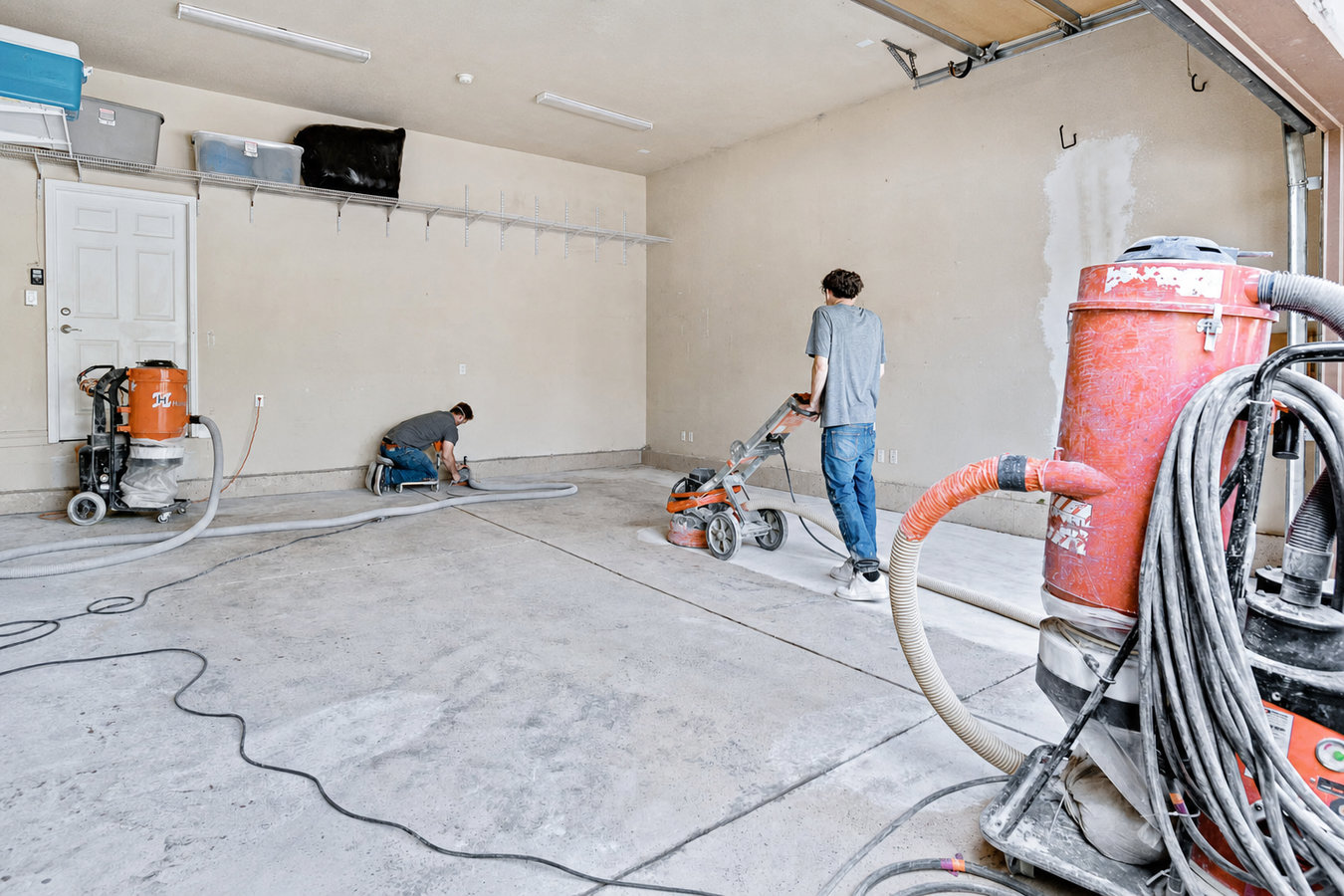
Concrete floor stripping and removal in Miami Beach means a crew breaks apart an existing concrete slab or surface layer and hauls it away so your floor can be replaced or rebuilt. Using jackhammers, breakers, or grinding equipment, we work the slab into manageable pieces and load them out. Most single-room jobs take one full day. The goal is a clean, level base ready for whatever comes next - new concrete, tile, epoxy, or another finish.
In Miami Beach, where salt air corrodes concrete from the outside in and the island's dredged-fill ground can cause uneven settling over decades, concrete floors sometimes deteriorate faster than homeowners expect. When a slab is crumbling, structurally compromised, or creating moisture problems that resurfacing alone will not fix, removal is the right starting point. If your project involves installing a new finished floor after removal, our Epoxy Floor Coatings service is a popular choice for garages and commercial spaces where durability is the priority.
The OSHA Silica Standard sets clear requirements for dust control during concrete cutting and breaking - something we follow on every job to protect your household and our crew. The City of Miami Beach Building Department handles permit requirements for structural floor work, and we confirm what your project requires before any breaking begins.
Small hairline cracks are common and often harmless. But if cracks are widening, branching out like a spider web, or appearing in new spots every few months, the slab itself may be failing. In Miami Beach, this pattern is often accelerated by salt air, moisture, and settled fill material - patching over it rarely solves the underlying problem.
If pieces of your concrete floor are breaking off, the surface feels rough and pitted, or you can scrape away material by hand, the concrete has deteriorated past the point where resurfacing makes sense. This kind of breakdown is especially common in Miami Beach homes near the water, where decades of salt air exposure eat away at concrete from the outside in.
In Miami Beach's high-humidity environment, moisture can wick up through a slab from the ground below - especially in older homes built on fill. A damp smell that does not go away, white powdery deposits on the surface, or flooring materials that keep bubbling are all signs the slab may need to come out rather than be patched.
If a home inspector, structural engineer, or contractor has flagged your slab as having serious problems - significant settlement, major cracking, or deterioration of the steel inside - that is a clear signal that removal and replacement is the right path. In Miami Beach, where building code compliance and flood resilience are taken seriously, a compromised slab is not something to defer.
Every project starts with a site visit to assess the slab thickness, look for steel reinforcement inside the concrete, and figure out equipment access - because in a dense, island city like Miami Beach, getting a jackhammer and a debris truck in and out of your space takes planning. We confirm permit requirements before any breaking begins and pull the permit on your behalf when one is needed. That permit is not just paperwork - it triggers an inspection that goes on record with your property, which matters when you sell or file an insurance claim. For any new surface work after removal, our Concrete Grinding and Surface Preparation service handles the final prep so your new floor has a clean, properly profiled base to bond to.
Dust control is built into every job - not offered as an add-on. We use wet-cutting methods, vacuum-equipped tools, and plastic barriers to keep fine concrete particles out of your living areas. We also coordinate debris removal and equipment staging to minimize the footprint on your block, which matters in Miami Beach's narrow lots and densely built neighborhoods.
For rooms, garages, and outdoor areas where the entire concrete floor needs to come out and the base rebuilt from scratch.
When only a section of the slab needs to be removed - for plumbing access, isolated damage, or a phased renovation.
Removing a top coating, overlay, or thin layer without taking out the full slab - useful when the base concrete is sound but the surface finish has failed.
After removal, we walk you through what we found underneath - soft spots, voids, moisture issues, or uneven ground - before you commit to the next phase.
Most of Miami Beach sits on a barrier island built on dredged fill material, and a significant share of the housing stock was built between the 1920s and the 1960s. Slabs from that era were often poured thinner, with less reinforcement, over ground that has since settled unevenly. What looks like a straightforward removal can reveal voids, soft spots, or moisture problems underneath that need to be addressed before any new floor goes in. We walk every homeowner through what we find before we leave - because discovering a subfloor problem after a new installation is an expensive surprise nobody needs. Homeowners in Miami deal with similar aging building stock and coastal conditions, and we handle projects across the mainland regularly.
Miami-Dade County operates under one of the most actively enforced building code environments in Florida, shaped by the lessons of Hurricane Andrew in 1992. Unpermitted structural work - including slab removal - can freeze a sale, void insurance coverage, or force you to redo work at your own expense. We handle permits as a standard part of the job, not an optional extra. Most of Miami Beach also sits in a FEMA-designated flood hazard area, which means what replaces your removed slab may need to meet elevation requirements - something we flag during the estimate so you can plan accordingly. We also regularly serve homeowners in Hialeah and the wider Miami-Dade area where the same code standards apply.
We ask about the size of the area, what is on the floor now, and what you are planning to do next. We respond within 1 business day and schedule a site visit before giving you a firm price.
We check slab thickness, look for steel reinforcement, and assess equipment access. We confirm whether a permit is required and pull it on your behalf - permitted work is inspected and stays on record with your property.
The crew breaks the slab in sections and loads it out. Dust control measures are in place from the start. Plan to be out of the immediate area during work hours - the noise is significant but the job moves quickly for most residential spaces.
Once the concrete is out, we clean the exposed subfloor and walk you through what we found. If there are soft spots, voids, or moisture issues, we tell you before we leave so you can plan the next phase with full information.
Free written estimate. Permits handled for you. We respond within 1 business day.
(645) 300-7263Miami Beach and Miami-Dade County have some of the most actively enforced building codes in Florida. We pull every required permit, track the inspection, and make sure the record stays with your property - so unpermitted work is never a problem you inherit.
Concrete breaking releases fine silica particles that are a real health concern if not managed properly. We use wet-cutting methods, vacuum-equipped tools, and plastic barriers on every job - not as an upgrade, but as standard practice. Your home and your family stay protected.
Miami Beach homes built on dredged fill can hide voids, moisture, and uneven ground under the slab. We walk you through what the subfloor looks like before we leave - so you can make an informed decision about what comes next, not find out mid-installation.
Most of Miami Beach sits in a federally designated flood hazard area. We flag any elevation or compliance considerations that affect what replaces your removed concrete during the estimate - not after the work is done. That kind of upfront planning saves you from expensive surprises.
Concrete removal is straightforward work when it is done by a crew that knows the local environment - the permit office, the flood zone rules, the aging building stock, and the logistics of working on a dense island. That local knowledge is what separates a smooth job from one that creates problems down the line.
After removal, epoxy is one of the most durable and cleanable options for garage floors, commercial spaces, and high-traffic residential areas.
Learn MoreWhen the slab stays but needs to be profiled, cleaned, and primed before a new coating or finish, grinding and surface prep is the next step.
Learn MoreCall us today or request a free estimate - we handle the permits, the dust, and the debris so your renovation can move forward without delays.