Loading...
Serving Miami Beach, FL and surrounding areas. (645) 300-7263
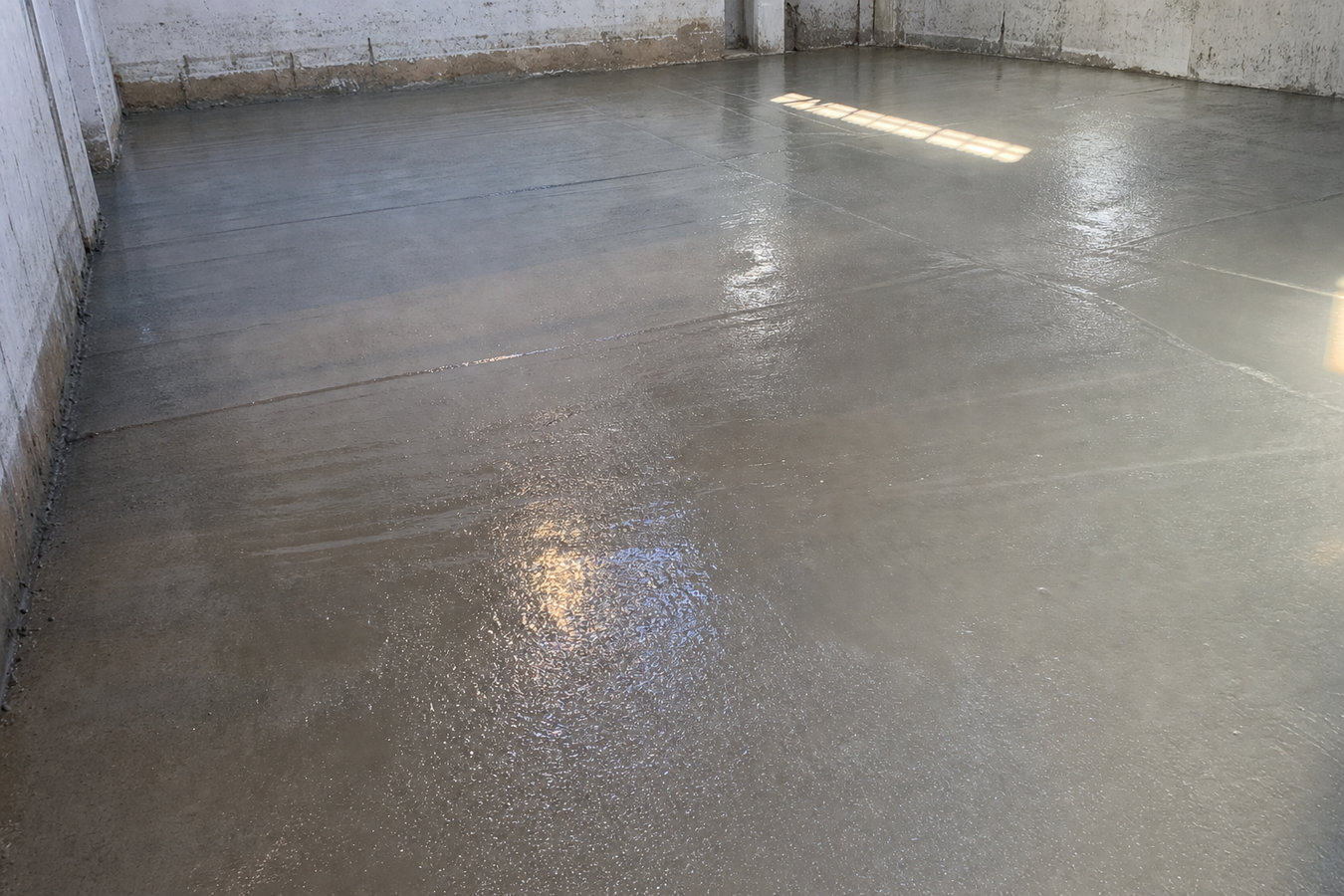
Salt air, heavy rain, and intense UV break down unsealed concrete fast in Miami Beach. A proper seal puts a barrier between your driveway, patio, or pool deck and the elements that do the most damage.
Concrete sealing in Miami Beach puts a thin protective layer over your concrete that keeps water, oil, salt, and stains from soaking in. For most residential surfaces - a driveway, patio, or pool deck - the actual sealing work takes one day or less, with a 24 to 72 hour wait before the area can be used again.
Concrete is porous. Without a sealer, every rainstorm, high tide, and oil spill soaks straight in and starts breaking the material down from the inside. In Miami Beach, where you have salt in the air, frequent heavy rain, and a low-lying flood risk across most of the island, that process happens faster than almost anywhere else in the country. Sealing closes those pores and gives your concrete a real chance against the coastal conditions that wear everything else down.
If your concrete surface is rough, pitted, or has old coatings that need to come off first, our Polished Concrete Flooring service and our surface preparation work can be combined in the same project scope so both steps happen in the right order.
Pour a small cup of water on your driveway, patio, or pool deck. If it soaks in within a minute or two and leaves a dark wet patch, your sealer is gone. This is the clearest sign that your concrete is unprotected and absorbing everything the Miami Beach weather throws at it.
White, powdery spots or a hazy film on your concrete are often a sign that salt from the air or ground is working its way to the surface - a common problem in coastal Miami Beach. It means moisture is moving through the concrete, and without a good seal, that process will keep eating away at the material underneath.
When concrete starts to look rough and pitted rather than smooth, water and salt have been getting in for a while. In Miami Beach's climate, surface damage moves fast once it starts. Sealing at this stage will not reverse the existing damage, but it will stop it from getting worse - and a contractor can fill the pits before sealing.
Concrete without a sealer acts like a sponge. Oil from a parked car, rust from metal furniture, and mildew from Miami Beach's constant humidity all soak in and become very hard to remove. If you are scrubbing stains that will not budge, that is a sign the surface has no protective barrier left.
Every sealing job starts with thorough surface preparation - pressure washing to remove dirt, mildew, and old sealer, treating any white salt deposits, and filling cracks or pits before anything goes on. The prep work is what determines how long the seal holds, and in Miami Beach it often takes longer than the sealing itself because of mildew, efflorescence, and the extra drying time the humidity demands.
When a surface needs more than sealing - such as resurfacing, color, or a new overlay - our Concrete Resurfacing and Overlays service handles that step. We can combine both scopes in a single visit so the finished surface is protected from day one.
Suits outdoor surfaces in Miami Beach that get wet frequently - sealers soak into the concrete and protect from the inside without changing the appearance or creating a film that can peel.
Ideal for homeowners who want a visible sheen - gloss or satin - on a garage floor, patio, or pool deck while still getting waterproofing protection.
Covers the extra prep and product selection needed for textured pool deck surfaces that see constant water, bare feet, and intense South Florida UV.
For any paved surface exposed to vehicle traffic, salt air, and the frequent rain and flooding common throughout Miami Beach neighborhoods.
Miami Beach receives an average of about 60 inches of rain per year, most of it falling in intense afternoon storms during the summer months. The city also sits at sea level, and many neighborhoods - South Beach, Sunset Harbour, and North Beach among them - experience regular tidal flooding even on sunny days. When saltwater washes over unsealed concrete repeatedly, it works its way into the surface and causes the material to pit and crumble from the inside. Sealing is not optional near the coast - it is the main thing standing between your concrete and accelerated deterioration. The sealers we recommend and install are rated specifically for high-UV, salt-air environments, which is a different product choice than what a contractor working inland would typically use.
A large portion of Miami Beach's residential properties were also built between the 1920s and 1950s, and older concrete is more porous and absorbs sealers differently than new concrete. If your home dates from that era, it may need more prep work - including deep cleaning and crack repair - before sealing will hold properly. Our crews work across the island and into neighboring areas including Aventura and North Miami, bringing the same coastal-focused approach to every job.
Tell us the surface type - driveway, patio, pool deck, walkway - and roughly how large it is. We will respond within one business day to schedule a visit. We do not quote over the phone because the condition of the concrete changes the price significantly.
We walk the surface, check for cracks, mildew, old sealer, and salt deposits. In Miami Beach, we also check whether the concrete is dry enough to accept a sealer - humidity here matters more than it does in drier climates. You get a written estimate with no obligation.
Move vehicles, furniture, potted plants, and anything else off the surface before the crew arrives. You do not need to clean anything yourself - pressure washing and prep are part of the job. Just make sure the area is accessible.
After thorough prep and drying, the sealer goes on by sprayer or roller in one or two coats. We give you specific curing times based on the product and the weather forecast - typically 24 hours for foot traffic and 48 to 72 hours before parking. We also tell you when to schedule your next resealing.
We visit, assess the surface in person, and give you a written price before any work starts. No obligation, no sales pressure.
(645) 300-7263Not every sealer is rated for the UV intensity and salt air on a barrier island. We specify and install products that are designed for high-UV, high-humidity coastal environments - which is a different set of products than what you would find at a hardware store or get from a contractor who primarily works inland.
The prep work is what determines how long a seal lasts. In Miami Beach's climate, getting concrete dry enough and clean enough for a sealer to bond - especially with mildew and salt deposits involved - requires professional-grade equipment and enough time to do it right. We do not rush this step.
Many Miami Beach properties have original or early-replacement concrete from the 1920s through 1950s. Older concrete is more porous, absorbs sealers differently, and often needs more prep work before a sealer will hold. We adjust our approach based on the age and condition of the surface, not a one-size-fits-all schedule.
Before we pack up, we give you specific guidance on how long to stay off the surface - based on the product used and the actual weather forecast for those days, not just what the product label says. You will know exactly when you can park on it, walk on it, and use your pool deck again.
Concrete sealing is one of the most cost-effective maintenance investments a Miami Beach homeowner can make - but only when the right product is matched to the surface and the prep is done correctly. The Portland Cement Association and the Concrete Network both provide guidance on sealer selection and application best practices that inform how we approach every job.
When sealing is not enough and the surface itself needs to be renewed, resurfacing restores the concrete before a fresh seal is applied.
Learn MoreFor interior slabs, polishing and sealing together create a dense, reflective surface that handles Miami Beach humidity without ongoing maintenance issues.
Learn MoreDry season scheduling books up fast in Miami Beach. Call today or request a free on-site estimate and protect your concrete before the next round of storms.